
Communication Is Key: What the Latest Sexual Violence Incident in Junior Hockey Tells Us About Toxic Culture in the Sport
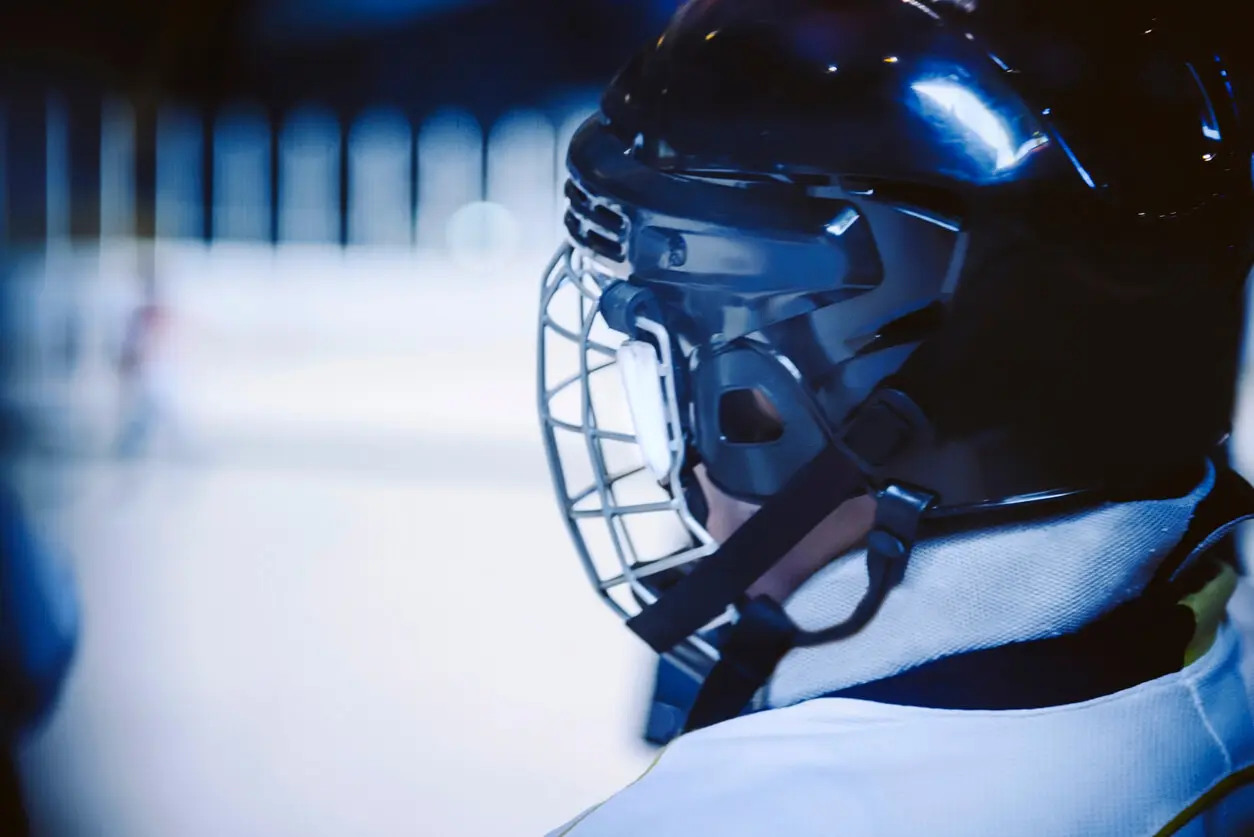
Sports journalist Rick Westhead’s latest book, We Breed Lions: Confronting Canada's Troubled Hockey Culture is hot off the press, but he may need to begin work on another chapter.
The book was written after Westhead broke a blockbuster story about how Hockey Canada paid a settlement to a woman who alleged she was sexually assaulted in 2018 by five members of Canada’s world junior hockey team in a London, Ontario hotel room.
Then, this week, Westhead reported that an Ontario U15 hockey team based in the same city had been disbanded following reports that members of the team allegedly used their phones to record videos of teammates naked in the shower area and posted them on SnapChat.
What Do We Know About the Incident?
In January, 2026, the Ontario Hockey Federation alerted Alliance Hockey, which represents 23 teams in southwestern Ontario, that a complaint had been made to Hockey Canada’s Independent Third Party (ITP) concerning sexual maltreatment.
According to Westhead, the complainant alleged that members of the West London Hawks U15 House League team videotaped their underaged teammates while naked in the shower area of a locker room and then posted the videos to SnapChat, a social media messaging app. The complainant also alleged a player repeatedly put his penis in the face of other players in the locker room.
Larry Moreland, the president of Alliance Hockey, told CTV News that two members of the team and three coaches were handed indefinite suspensions pending a disciplinary hearing. Without coaches, the team had to be dissolved.
What Does This Say About Toxic Masculinity and Sexual Violence in the Sport?
While the team involved in this particular incident was part of a house league, the toxic culture that is pervasive in competitive hockey clubs can easily spill over to players who idolize these players.
Westhead’s book, based on interviews with 58 current and former junior hockey players, presents a sobering, eye opening look into what junior hockey players experience when they play elite level hockey.
“Civilians wouldn’t understand it,” a former player told the author when describing hockey’s locker room culture. “When we look around the room, we see 20 clones of ourselves and we all know we are better than everyone else. This is our culture. We breed lions, and how do you tell a lion to stop being a lion?”
Many burgeoning professional hockey players must move from their home and develop a new community. Westhead suggests “the insular dynamics of the game… rarely remain confined to the rink.” Players who are objectified by team owners and fans alike learn to objectify others. And as Chris Jones writes in the Literary Review of Canada: “Life doesn’t have boards to contain their violence.”
There has been significant resistant to changing hockey’s hyper masculine culture. When Westhead was reporting on the criminal trial involving the five world junior players, he was confronted outside the court room by a large man (who was later barred from court) pointing at him and screaming: “this is all his fault.”
If this is what is said and done to a grown man in a very public setting, you can only imagine what young, vulnerable players could experience if they speak up. In fact, you don’t need to imagine. My colleague Erin Ellis wrote about what one complainant experienced after engaging in the ITP process.
What Can Be Done?
Dissolving a team and suspending the players and coaches involved in a complaint suggests that this particular allegation has been taken seriously. But without journalists like Westhead discovering and reporting incidents such as this one, the public may not have had any idea that it occurred in the first place.
As other reporters chased this story, their articles revealed that the ITP complaints process remains opaque. Moreland told journalists that he was unaware of when the complainant first reported the incident to the ITP. And, there is currently no way to determine if and how this complaint will ultimately be resolved.
The ITP produces quarterly and annual reports which categorize complaints and outline process timelines and outcomes without any reference to the circumstances behind individual complaints or an indication of their severity. Umbrella categories used by the reports encompass such a wide range of actions that they do not meaningfully convey what types of behaviour is actually taking place. For example, the 2024-2025 report states: “Sexual Maltreatment is used broadly to include all forms of sexual maltreatment, whether physical or psychological in nature, including but not limited to social media harassment of a sexual nature, sexually based comments, grooming and physical sexual maltreatment.”
Jeremy Knight, a spokesperson for Hockey Canada, has noted the ITP does not have an investigatory or adjudicative role, but rather oversees the complaints process in a “confidential, neutral and procedurally fair manner,” using industry best practices.
But, is the absence of a public registry of ITP sanctions really an industry best practice? The Ontario Hockey Federation now produces an annual chart of maltreatment complaints submitted to the ITP involving its member organizations, but lists only statistics.
In contrast, the OHF’s summary of tampering allegations (recruiting players and announcing coaches prior to evaluations) lists descriptions of violations, sanctions, and names the associations involved. The federation notes it takes tampering allegations seriously and asks people to “imagine being partway through a season while already knowing you will not be part of your team next year. How would that affect your motivation, confidence, and sense of belonging? How would it impact your development on and off the ice?”
It’s time to treat sexual maltreatment at least as seriously as tampering, if not much more seriously. There are ways to protect the anonymity of complainants while still communicating to the public what is happening and what actions have been taken to protect victims of this behaviour
A commitment to improving the culture of hockey requires sustained action. But, effectively communicating this action to the public at large is an essential part of this task. Players, their parents, and other supporters need to know that sexual maltreatment in sport is not tolerated.
If you or a loved one has experienced sexual abuse or assault in organized sports and want to know about your legal rights and options, please contact us for a free, no obligation initial consultation.